Biodegradability

How quickly and completely do the fibres decompose in the environment? We determine the degree of degradation in wastewater after a defined period of time – in accordance with DIN EN ISO 14851.

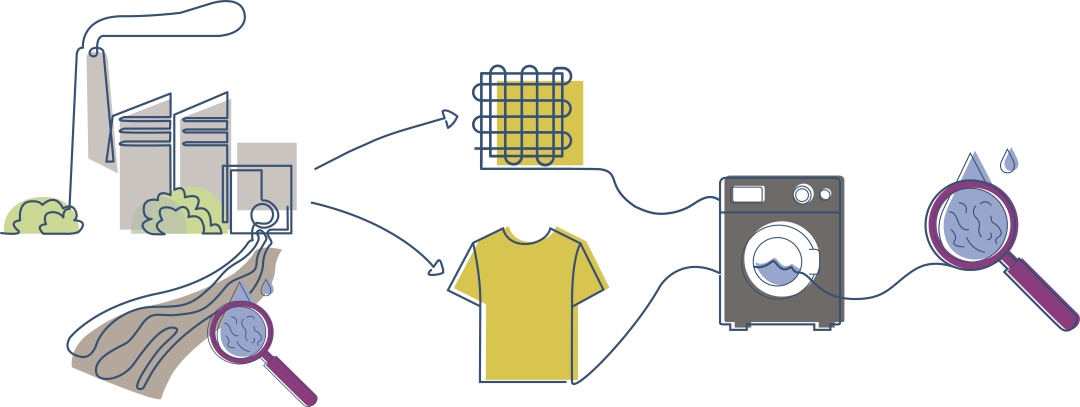
When textiles are manufactured, worn and washed, tiny pieces of fibre – known as fibre fragments – are released. Treatment processes at sewage treatment works only partially retain them, meaning they end up in rivers, lakes and seas via wastewater, or are applied to agricultural land as fertiliser.
We make this fibre release quantifiable – so that you can objectively compare materials, make targeted improvements and demonstrate the environmental impact of your products.
We support you in three steps:

DIN SPEC 4872 is a standardised test method that comprehensively assesses and classifies the environmental impact of textiles during washing. It answers three questions: How many fibres are shed by the textile during washing? How well do these fibres degrade in wastewater? And how harmful are the residues to the environment?
The result is a classification code that reflects your product’s fibre discharge, biodegradation rate and ecotoxicological potential – a robust basis for product development and communication.
Download DIN SPEC 4872


How many fibres does the textile shed during washing? We determine the fibre release during washing under defined laboratory conditions using dynamic image analysis (DIA).
How quickly and completely do the fibres decompose in the environment? We determine the degree of degradation in wastewater after a defined period of time – in accordance with DIN EN ISO 14851.

Do fibre residues harm aquatic organisms? We test this in accordance with DIN EN ISO 20079 using the duckweed, a particularly sensitive model organism for aquatic plants.
We determine how many fibres are released from textile surfaces and what the fibre content is in process and waste water:


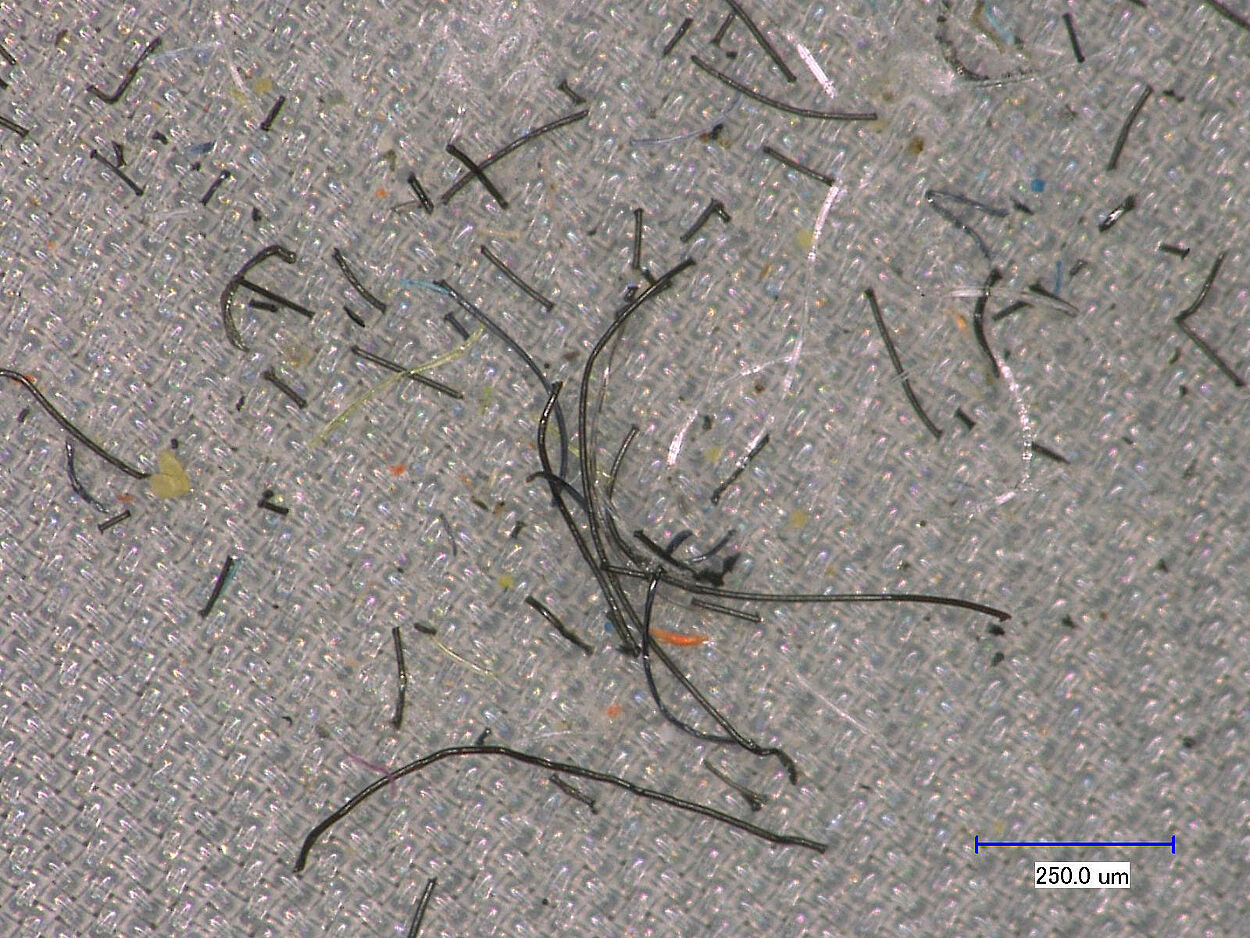
When considering the environmental impact of textiles, there is no way around microplastics. Hohenstein has been at the forefront of this research since 2016. Benefit from our active involvement in research and standardisation committees.
DIN SPEC 19292 provides a quick assessment of the potential for fibre shedding in your textile products.
The sample water following the simulated washing process is filtered, and the release of the fibre fragments is determined visually.
The benefit to you: you can identify critical materials at an early stage and objectively compare alternatives – if desired, directly at your own premises using our test kit.
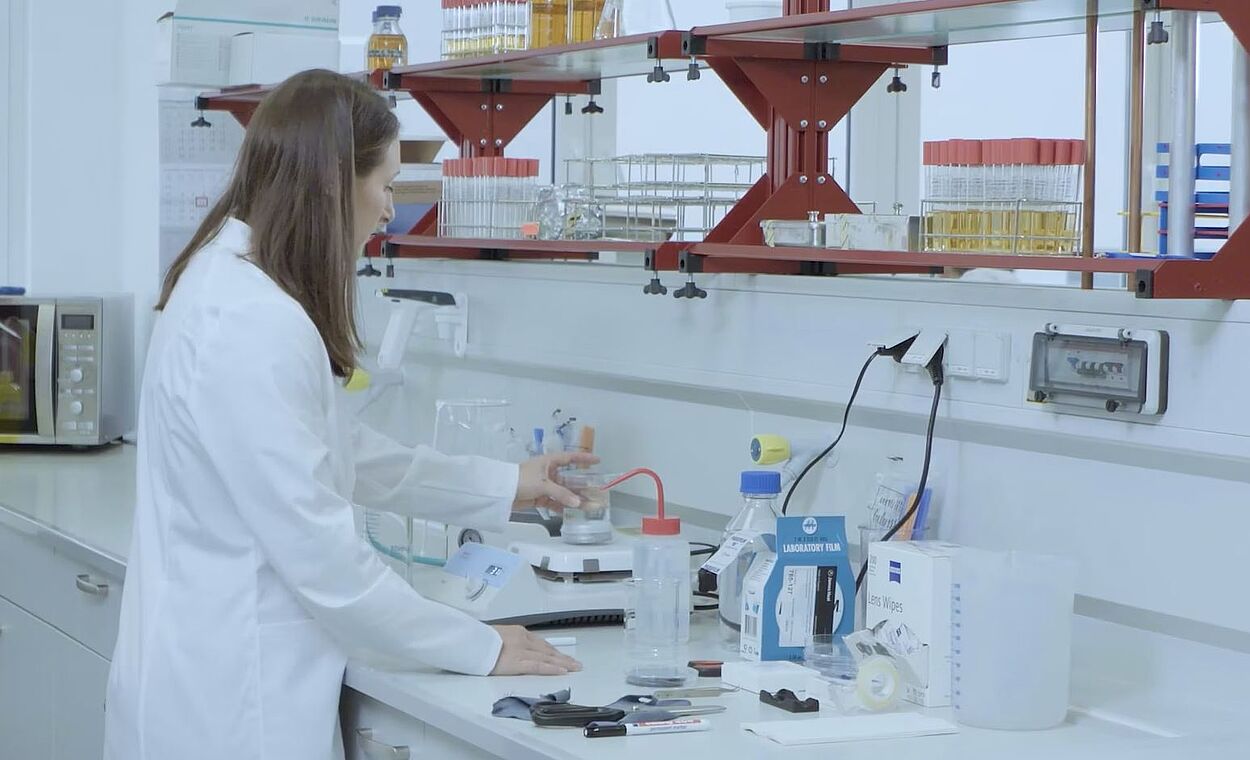
In collaboration with Under Armour and James Heal, Hohenstein has developed a test kit that implements the methodology set out in DIN SPEC 19292. This enables textile companies throughout the value chain to determine fibre shedding themselves during the product development stage and to specifically select materials with low shedding rates.
Our video guide shows you step by step how to use the kit.
Contact
Customer Service Laboratory Testing